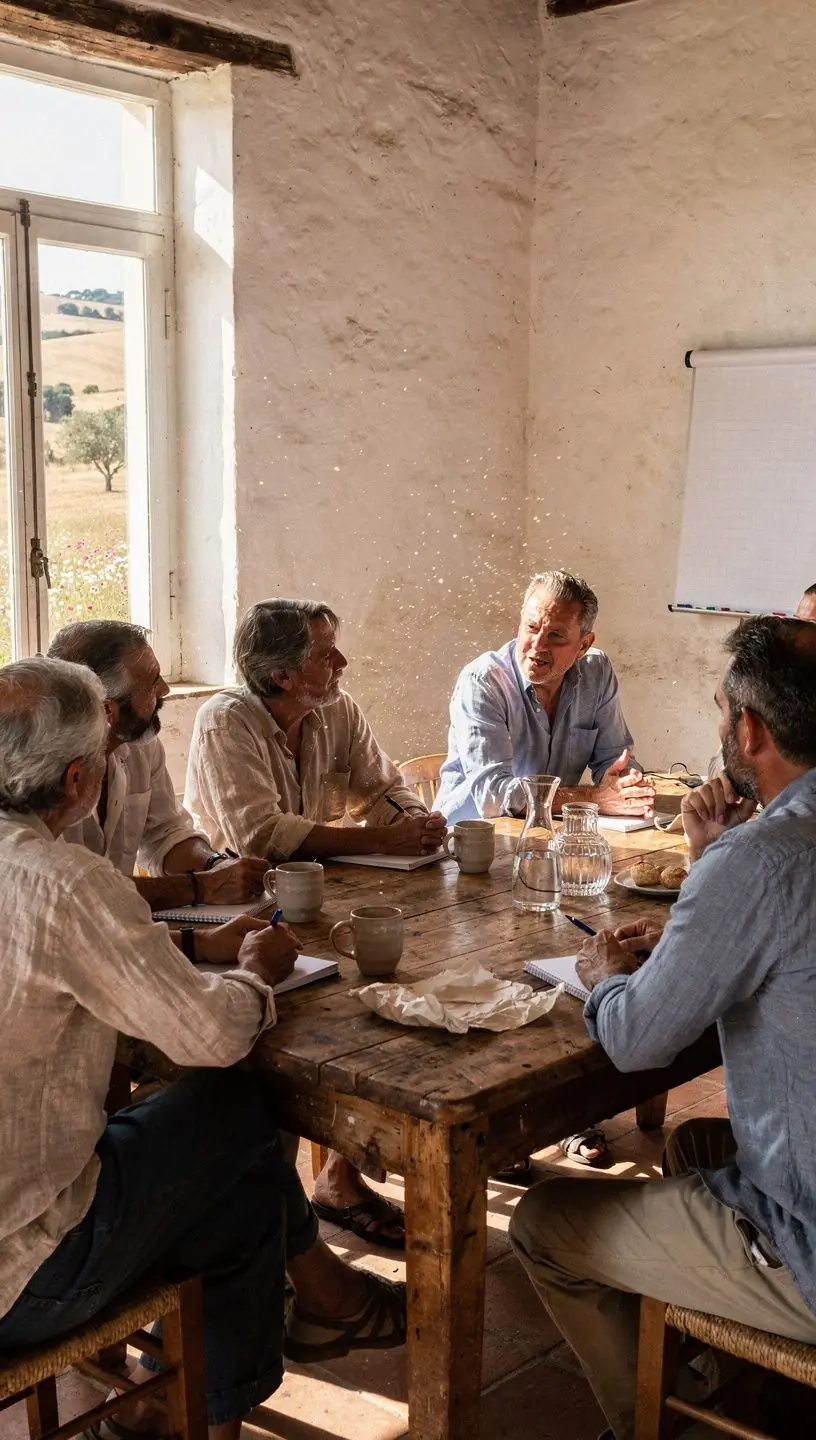
Steps to Cultivating a Supportive Network
Building a supportive network is essential, especially during significant life transitions. Whether you're looking to shift your career, improve personal relationships, or find new passions, a strong community can make all the difference. This article details actionable steps to cultivate that supportive network effectively.
Understanding the Importance of a Supportive Network
According to research, having a supportive network can significantly enhance emotional well-being and provide practical assistance during life changes. Experts recommend that social support is one of the most critical factors influencing mental health and resilience. This is particularly relevant in transitional phases where individuals may feel isolated or overwhelmed.

"Having a supportive community can lead to a 30% increase in overall life satisfaction, particularly during times of change." – Community Psychology Journal
Step 1: Identify Your Needs and Goals
Before building your network, it’s crucial to identify what you need. Are you seeking emotional support, professional advice, or opportunities to engage in social activities like dance events? Understanding your goals will help you connect with the right people.
Step 2: Engage in Community Activities
One effective way to meet new people is by participating in community activities. Integrated social dance events, such as bachata and salsa, provide an excellent platform for interaction. Many participants report feeling more connected after engaging in such community-building activities.
- Attend local dance workshops or classes – this allows you to meet others with similar interests.
- Participate in community service projects – helping others can create strong bonds.
- Join clubs or groups that align with your goals – whether it be fitness, arts, or personal growth.
Step 3: Leverage Social Media and Online Platforms
In today's digital age, social media can be an effective tool for building and maintaining connections. Online platforms often host groups focused on specific interests, including life transitions and social dancing.
Research indicates that online communities can foster real-life connections. Joining forums or social media groups related to your interests can provide you with insights and potential friendships. However, it’s essential to engage meaningfully and authentically to build trust.
Step 4: Be Proactive in Cultivating Relationships
Building a supportive network requires effort and consistency. Consider scheduling regular meet-ups with new acquaintances or established friends. This may involve:
- Setting up monthly coffee dates to discuss mutual goals.
- Inviting others to participate in dance events or workshops together.
- Following up after initial meetings to maintain momentum in your relationships.
Step 5: Acknowledge and Reflect
As you cultivate your network, take time to reflect on your experiences. Are your needs being met? Are you feeling supported? Engaging in regular self-reflection can help you assess the effectiveness of your efforts and make necessary adjustments.
Conclusion
Building a supportive network is a journey that requires time and effort. By identifying your needs, engaging in community activities, leveraging online platforms, proactively cultivating relationships, and regularly reflecting on your experiences, you can create a network that not only supports you during transitions but also enriches your life overall. Remember, while the process may take time, the benefits of a strong supportive network are well worth the effort.