The Connection Between Dance and Mental Health
Dance is much more than a form of entertainment; it can be a powerful tool for improving mental health and fostering community connections. This article explores the links between dance and mental well-being, while highlighting how participation in social dance events can contribute to a healthier lifestyle.
Understanding the Basics of Dance and Mental Health
Research indicates that engaging in physical activities like dance can lead to significant improvements in mental health. According to a study published in the Journal of Clinical Psychology, regular physical activity is associated with reduced symptoms of anxiety and depression. This is largely due to the release of endorphins—hormones that promote feelings of happiness and relaxation during and after exercise.
"Physical activity, including dance, has proven effective in enhancing mood and reducing stress levels, making it an excellent choice for those seeking mental balance." - Mental Health Foundation
How Dance Affects Mental Well-Being
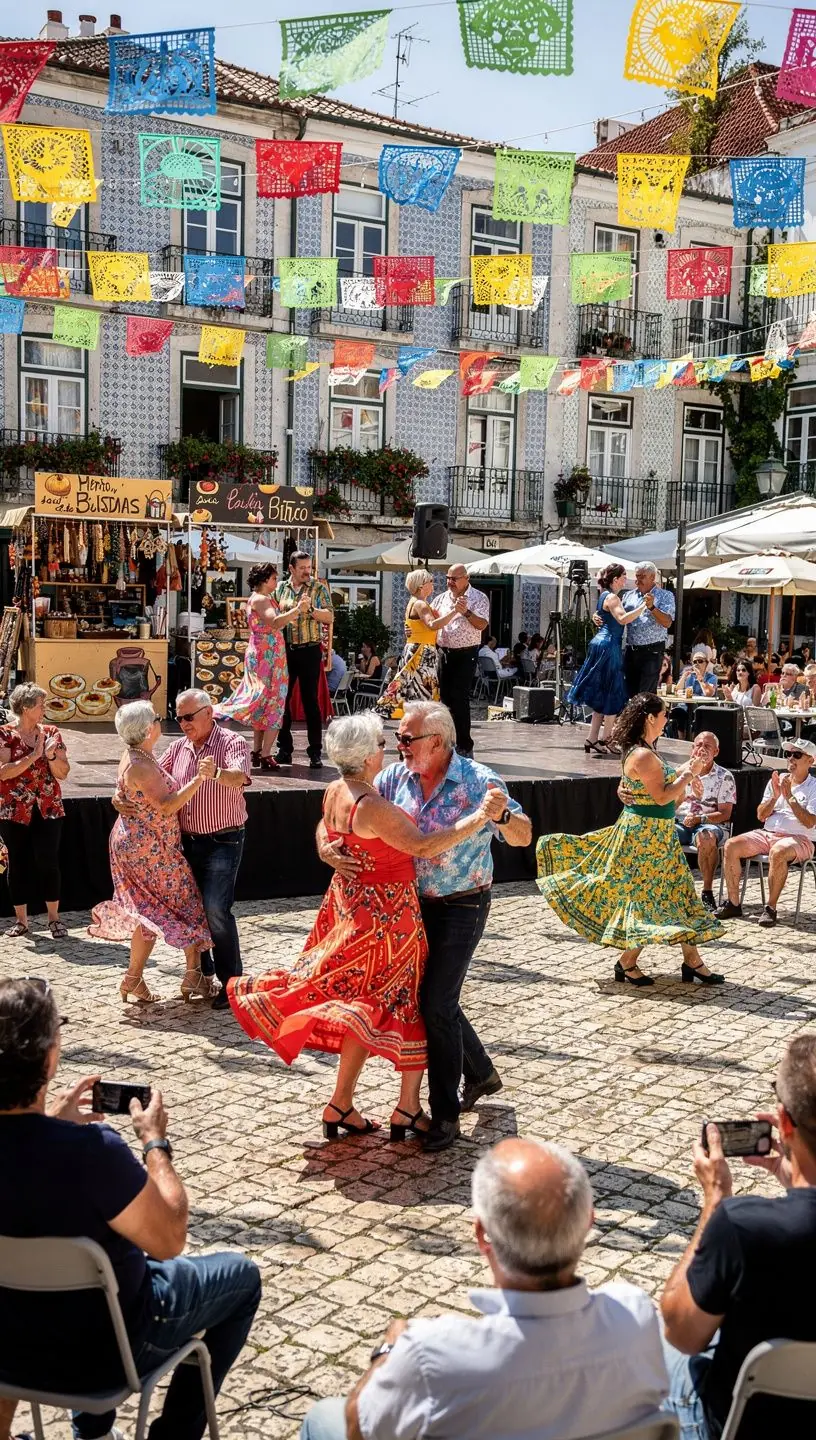
The benefits of dance extend beyond just physical fitness. The practice of social dancing, particularly styles like bachata and salsa, promotes community interaction and social bonding. This connection can be incredibly beneficial for mental health, as social support is a known factor in combating feelings of isolation and loneliness.
Key Benefits of Dance for Mental Health
- Enhanced Emotional Expression: Dance allows individuals to express emotions non-verbally, which can be cathartic and healing.
- Reduction in Anxiety: Engaging in dance often reduces anxiety levels, as the focus shifts from worries to movement and rhythm.
- Community Connection: Social dancing fosters relationships, which are crucial for emotional support and well-being.
Practical Application: Getting Started with Dance
If you're considering incorporating dance into your routine for mental health benefits, here are some practical steps:
- Join a Class: Look for local dance classes or community centers offering beginners’ lessons in styles like salsa or bachata. Many centers in Portugal provide offline programs that integrate dance for community building.
- Set Realistic Goals: Start with a commitment of attending one class a week. Over time, you can increase your participation as you become more comfortable.
- Engage Socially: Participate in social dance events, as these settings allow for interaction, making it easier to build connections and friendships.
Acknowledging Limitations
While dance can be beneficial, it's important to recognize that it may not be suitable for everyone. Individuals with certain physical limitations or mental health conditions may find it challenging to engage in dance. Additionally, the benefits of dance typically manifest over a period of time, requiring consistent participation and practice. Results may vary, and those struggling with severe mental health issues should consult a professional before starting any new activity.
Conclusion
Incorporating dance into your life can be an effective approach to enhancing mental well-being and fostering community ties. By understanding the link between movement and mental health, individuals can take proactive steps towards a happier, healthier lifestyle. Remember, the journey of dance is personal and ongoing—embrace each step as part of your path to improved mental health.